Home/Resources/Vane actuation for rotary control valves
ENGINEERING GUIDE

Vane actuation for rotary control valves

Evaluate the mechanism, mounting and measured assembly response.

Control-valve HDRL means hysteresis, deadband, repeatability and linearity. These properties influence how closely valve movement follows the control signal. Diagnostics, positioner, actuator and valve all contribute; actuator selection should be evaluated within the complete assembly.

Rotary motion and mechanical interfaces

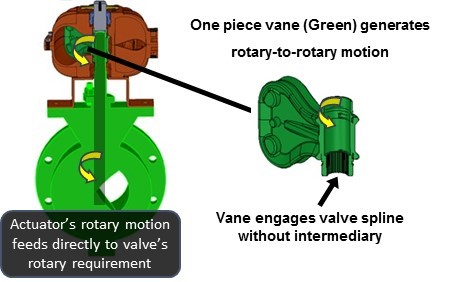
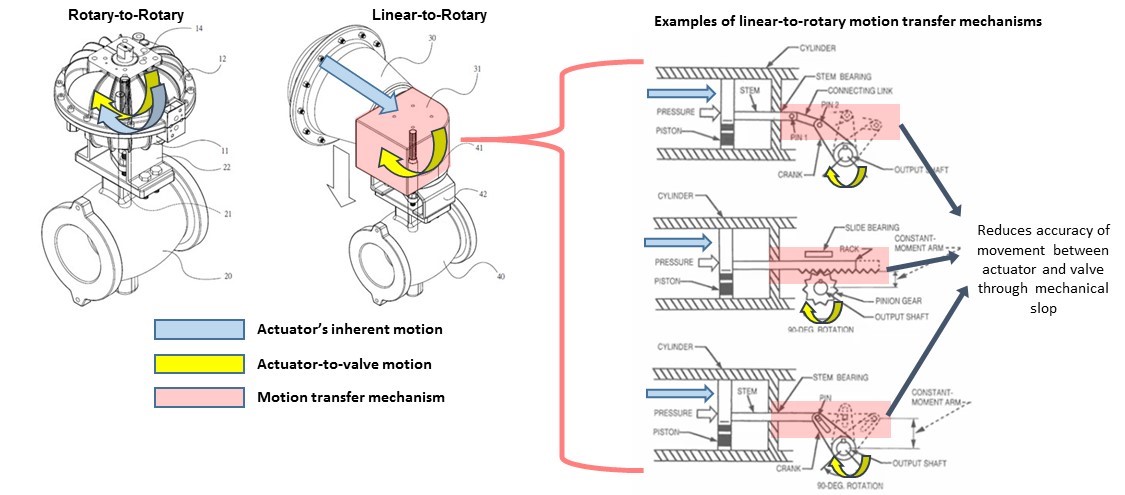
Vane actuation generates rotary motion directly. Linear-to-rotary mechanisms transfer linear piston or diaphragm motion into rotation. Clearance, compliance and friction in the transmission and mounting interfaces can influence deadband and repeatability. Direct mounting removes an intermediate bracket/coupling where the valve interface permits it; fit and torque must still be checked.
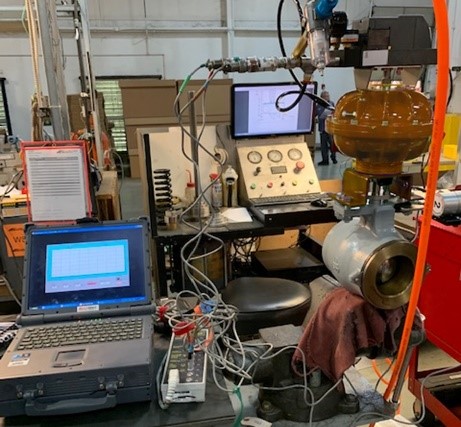
BenchMark control-valve test setup
BenchMark control-valve test setup Select image to inspect at full resolution.
Figure 1: rotary and linear-to-rotary mechanism comparison
Figure 1: rotary and linear-to-rotary mechanism comparison Select image to inspect at full resolution.
Figure 2: rotary actuator and valve motion illustration
Figure 2: rotary actuator and valve motion illustration Select image to inspect at full resolution.

Read the results in context

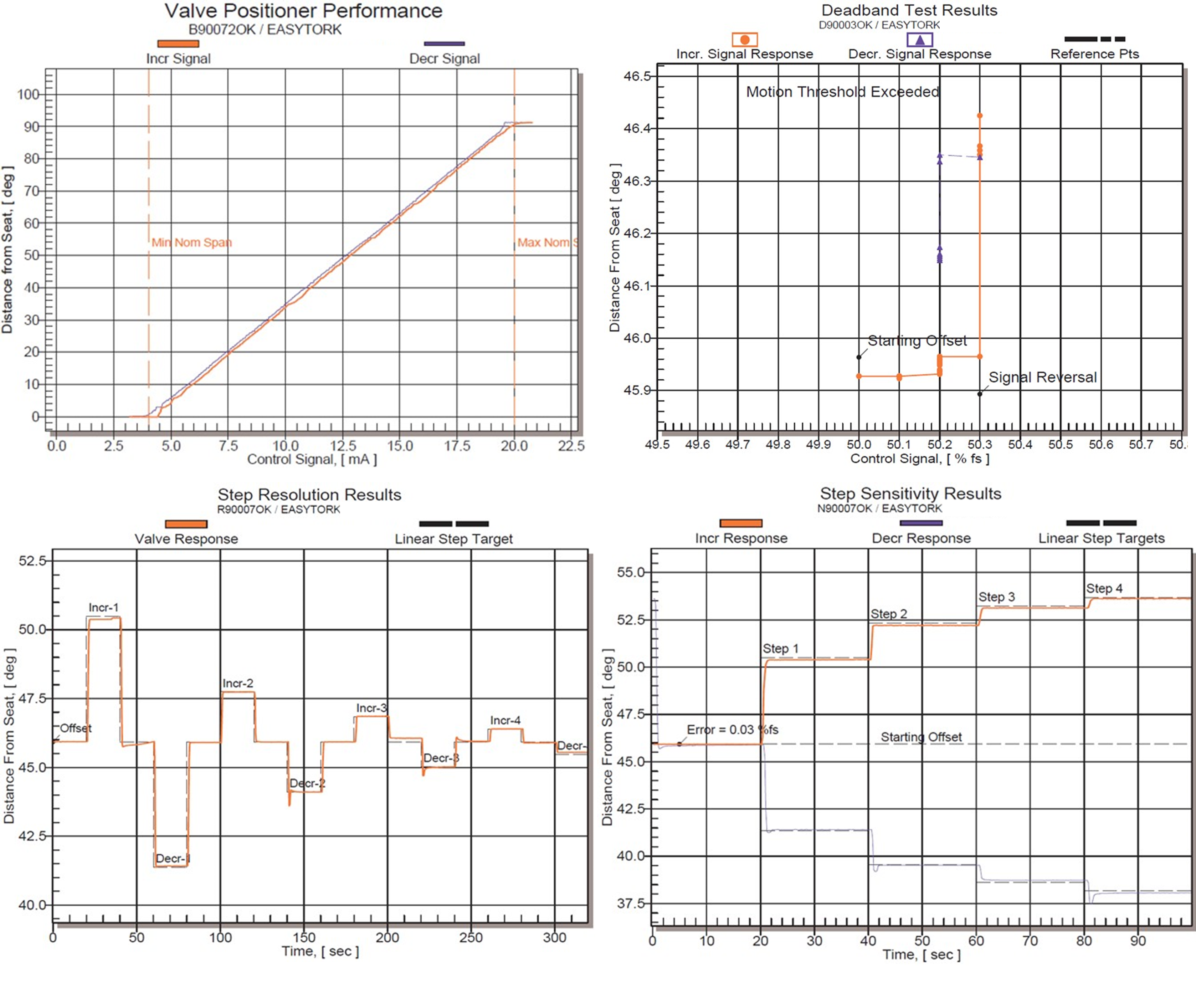
Compare control-valve performance, deadband, step resolution and step sensitivity for the tested direct-mount vane-actuator assemblies. What defines good control-valve response →
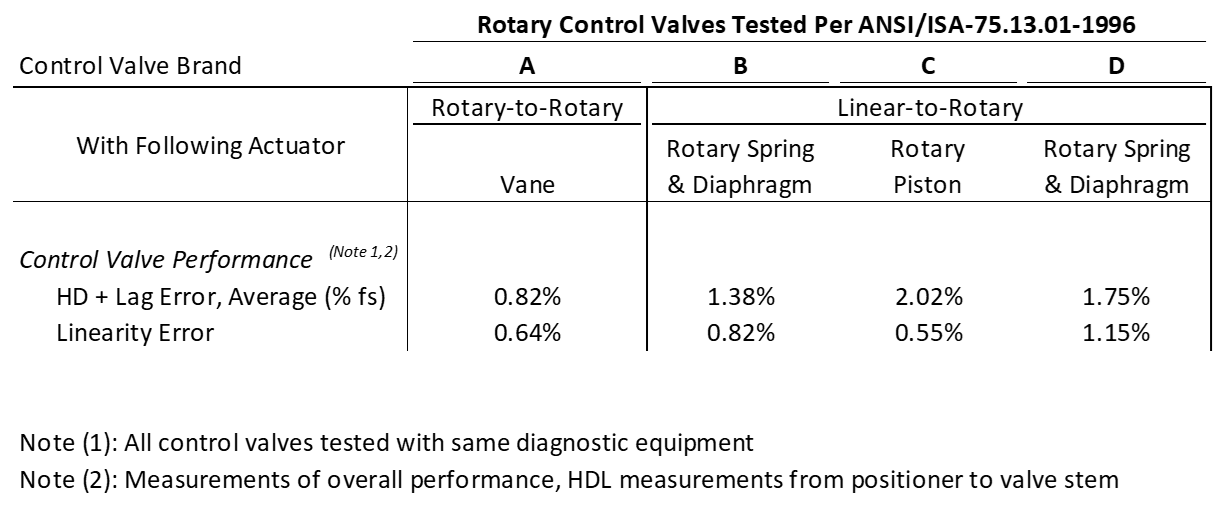
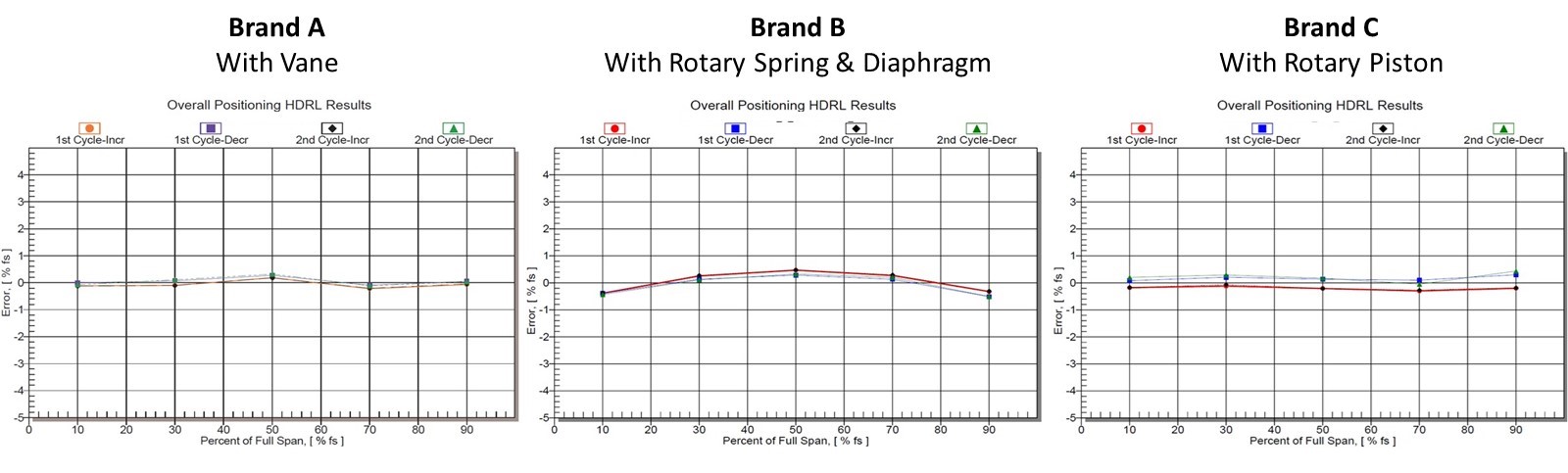
Figure 3: source control-valve performance comparison
Figure 3: source control-valve performance comparison Select image to inspect at full resolution.
Additional source control-valve performance comparison
Additional source control-valve performance comparison Select image to inspect at full resolution.
Figure 4: source deadband, step-resolution and step-sensitivity results
Figure 4: source deadband, step-resolution and step-sensitivity results Select image to inspect at full resolution.

Apply this to your valve

Bring your valve torque, minimum air supply, operating conditions and required action. We can work through the configuration.